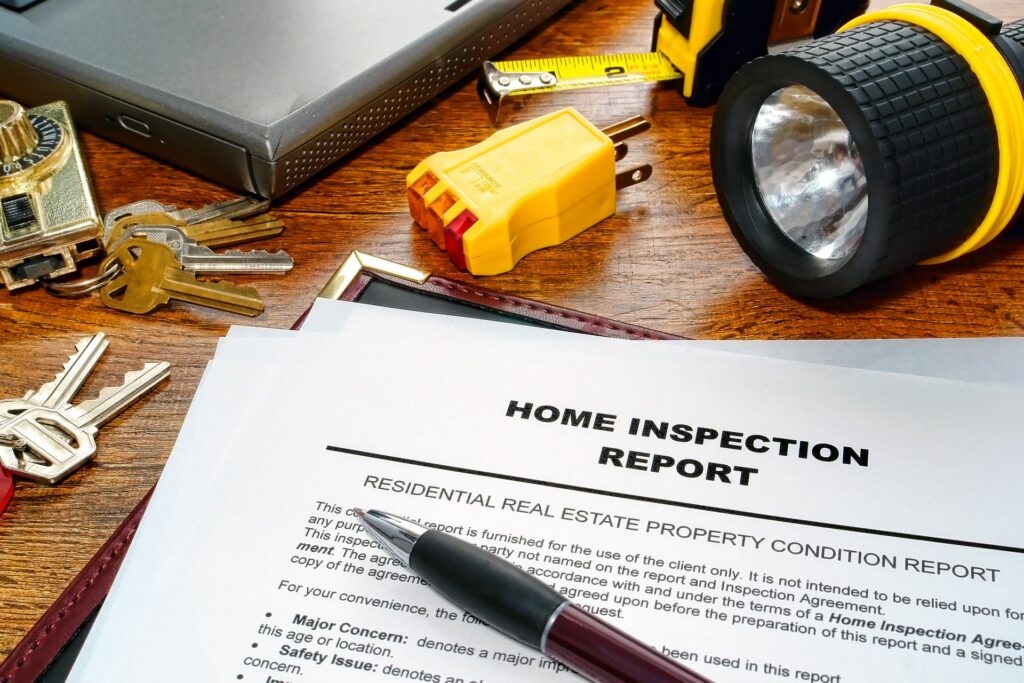
Navigating Home Inspections: An In-Depth Guide for Buyers and Sellers
The home inspection is a crucial part of the home-buying process. It helps you uncover issues that could impact the property’s safety, functionality, and value. This detailed scrutiny can feel overwhelming, but understanding what to expect can make the process more manageable. Let’s dive into the world of home inspections in Florida, discussing common and uncommon findings, tips to navigate these findings, and guidance on negotiations.
What is a Home Inspection?
A home inspection is a comprehensive examination of a property’s visible and accessible areas, including the roof, foundation, heating and cooling systems, electrical work, water and sewage systems. Home inspectors also look for insect, water, or fire damage evidence. In Florida, specific inspections like wind mitigation and four-point inspections are often required by insurance companies due to the unique weather conditions in the state.
Common and Uncommon Home Inspection Findings
Common Findings
- Roofing Issues: Roofing problems are prevalent in Florida due to the state’s severe weather conditions. Inspectors often find damaged or missing shingles, improper flashing, or signs of leaks. Roof age and lack of permits are also common findings for many inspectors.
- HVAC Problems: Florida’s extreme heat can strain HVAC systems. Inspectors often find poorly maintained systems nearing the end of their lifespan.
- Electrical Issues: These can range from minor problems like reversed polarity to serious concerns like outdated wiring that could pose a fire hazard.
- Plumbing Issues: Leaky faucets, aged pipes, or improper connections are common plumbing issues that inspectors encounter.
- Structural Problems: Cracks in the foundation, uneven floors, or doors that don’t close properly could signal potential structural issues.
Uncommon Findings
- Chinese Drywall: Imported between 2001 and 2008/2009, this problematic drywall can emit sulfurous gases that corrode copper and other metals, leading to significant damage.
- Sinkholes: Florida’s geology makes it prone to sinkholes. While uncommon, their presence can be a serious concern.
Navigating Home Inspection Findings
Remember, no home inspection is perfect; issues will inevitably arise. The key is knowing how to navigate them. It’s essential to understand that homes do not “pass” or “fail” inspections; the process merely highlights areas of concern that must be addressed.
For minor issues like a leaky faucet, consider handling the repairs yourself. However, it’s wise to negotiate with the seller for more significant problems like a faulty electrical system.
Keep in mind that not every problem needs to be addressed before purchase. Some issues, like cosmetic damage, can be fixed over time. However, problems that pose safety risks or could lead to costly repairs down the line, such as structural issues or outdated wiring, should be dealt with promptly.
Negotiating Repairs and Price Adjustments
Understanding that everything is negotiable is crucial in the home-buying process. If the home inspection reveals significant issues, there are several routes you can take:
- Request repairs: You can ask the seller to fix the problems before closing. Ensure any agreement is put in writing and includes an understanding of what will happen if the repairs aren’t completed satisfactorily.
- Ask for a price reduction: If you’re willing to handle the repairs yourself, you might negotiate a lower purchase price to offset the repair costs.
- Ask for a credit: Similar to a price reduction; you could ask the seller to give you a credit at closing to pay for the repairs.
- Walk away: If the inspection reveals major issues that the seller isn’t willing to address and you don’t feel comfortable taking on, you can walk away. This is where having a home inspection contingency in your contract becomes crucial.
Home Inspection for Insurance and Lending
Securing homeowners insurance or a mortgage often requires a satisfactory home inspection. In Florida, insurers may specifically require a four-point inspection, which focuses on the four main systems of the home: HVAC, electrical, plumbing, and roof. These systems’ conditions can significantly impact insurance coverage availability and premiums.
A wind mitigation inspection may also be beneficial. Given Florida’s susceptibility to hurricanes, homes with wind-resistant features may qualify for substantial insurance discounts.
Lenders use home inspections to confirm that their investment is sound. Major issues discovered during an inspection can deter lenders, who might view the home as a poor investment.
Conclusion
A home inspection may feel like a hurdle, but it’s a powerful tool in home-buying. It protects you from unforeseen expenses and helps ensure you make a sound investment. The key lies in understanding common and uncommon findings, knowing how to navigate them, and being prepared to negotiate. Remember, everything is negotiable, and being informed is your best strategy.
If you’re buying a home in Florida, be sure to hire a reputable home inspector familiar with the unique conditions and requirements of the state. And remember, while the process may seem daunting, it’s ultimately about ensuring that your new home is safe, functional, and a good investment for your future.




Leave a Reply