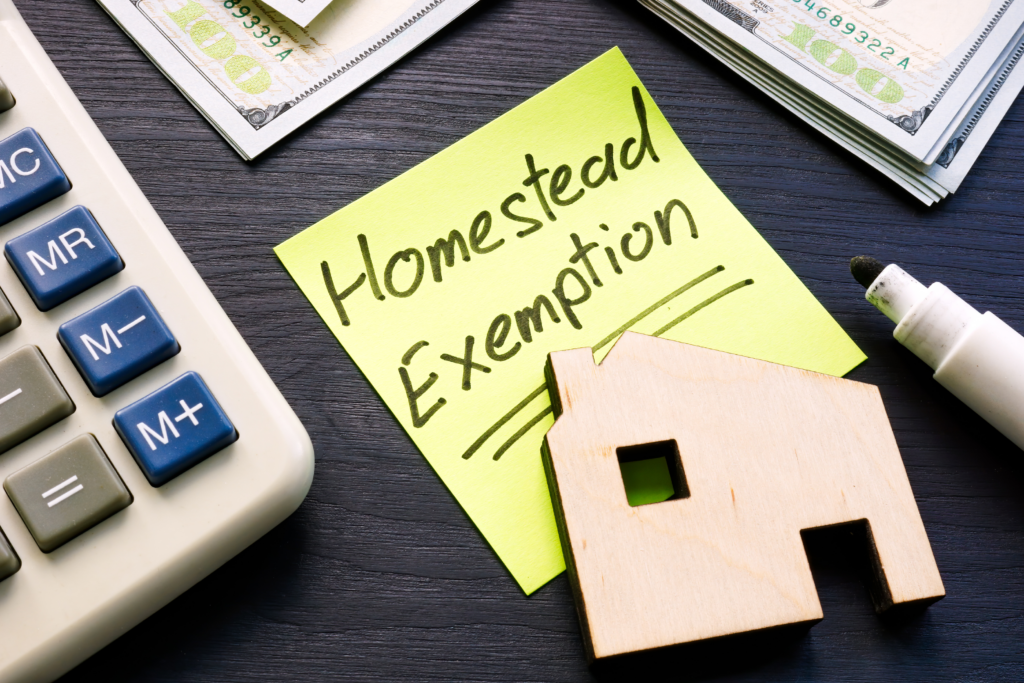
The Homestead Exemption: Eligibility, Application, and Benefits
The Homestead Exemption is a property tax reduction program that allows eligible homeowners to save a substantial amount on their annual property taxes. This exemption applies to the primary residence, reducing the property’s assessed value by a specific amount, thereby lowering the taxable value.
Who Qualifies for the Homestead Exemption?
To qualify for the Homestead Exemption, you must meet the following criteria:
-
Ownership: You must own the property as an individual, a married couple, or a domestic partnership.
-
Occupancy: The property must be your permanent residence, where you reside for at least six months of the year.
-
Eligibility Date: You must have lived in the home as of January 1st of the tax year for which you are applying.
How to Apply for the Homestead Exemption
Applying for the Homestead Exemption is a relatively straightforward process. Here are the steps involved:
-
Gather Required Documents: You must provide documentation such as a driver’s license, voter registration card, and proof of ownership.
-
Complete Application Form: Fill out the appropriate application form, typically the DR-501 form, provided by your county’s property appraiser’s office.
-
Submit Application: Submit the completed application form and the required documents to your county’s property appraiser’s office.
Deadlines for Applying
The deadline for applying for the Homestead Exemption is March 1st of the tax year for which you seek the exemption. Late filings are allowed, but you may incur penalties.
Additional Exemptions and Portability
Florida offers additional exemptions for homeowners who meet specific criteria, such as those who are disabled, veterans, or widows. Additionally, the Save Our Homes Assessment Limitation protects against significant increases in the assessed value of your homestead property. The Homestead Exemption Portability allows you to transfer a portion of the exemption to a new homestead property within Florida.
Obtaining More Information and Applying in Specific Counties
For detailed information and application procedures specific to your county, follow these links:
-
Orange County: https://exemption.ocpafl.org/
-
Seminole County: https://scpafl.org/HomesteadAndOtherExemptions
-
Osceola County: https://www.property-appraiser.org/all-exemptions/exemptions-homestead-exemption/
-
Volusia County: https://vcpa.vcgov.org/exemption/homestead
-
Polk County: https://www.polktaxes.com/services/exemption-information/
-
Lake County: https://www.lakecopropappr.com/exemptions.aspx
The Homestead Exemption is a valuable financial benefit for Florida homeowners, offering significant savings on property taxes. By understanding the eligibility criteria, application process, and additional exemptions, you can reap the rewards of this homeowner-friendly program. Embrace the opportunity to reduce your property tax burden and enjoy the peace of mind that comes with owning a home in the Sunshine State.




Leave a Reply