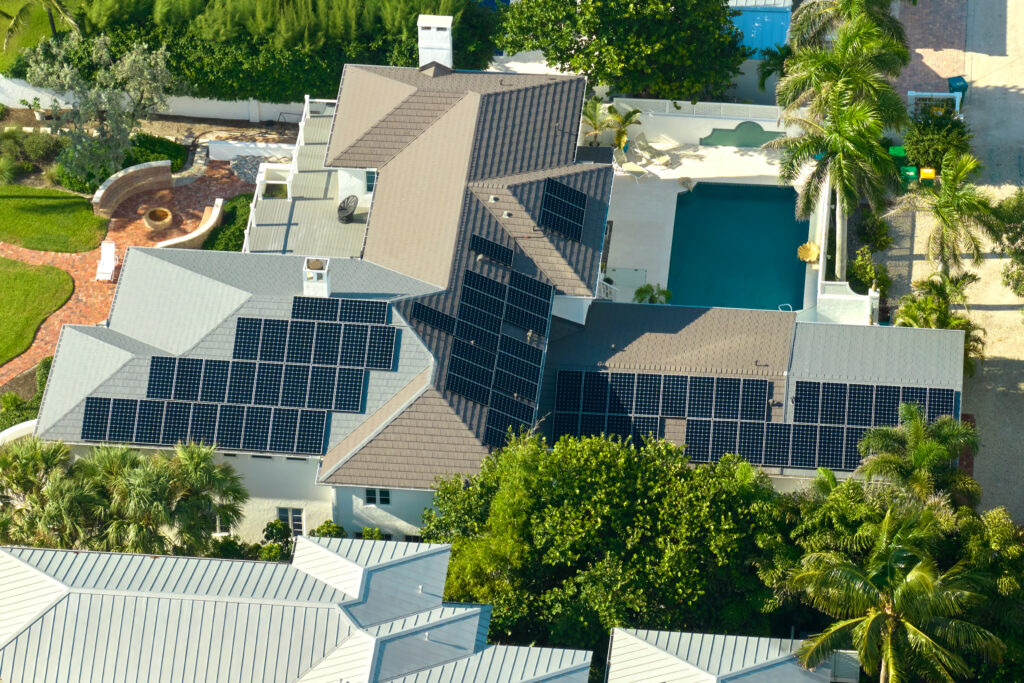
Solar Panels Adding to Property Insurance Challenges for Florida Homeowners
As homeowners in the Sunshine State turn to solar energy in a bid to lower their energy bills and reduce carbon emissions, they’re finding themselves at odds with the insurance industry. In a rather surprising turn of events, some homeowners in Florida are having their insurance policies canceled after installing solar panels. Other insurance companies, which previously covered solar systems, are now declining to write new policies for homes with solar installations 1.
What is driving this sudden change in policy? The answer is complex and multifaceted, with various factors at play.
Firstly, Florida’s state-backed insurer, Citizens Property Insurance Corp., has seen a surge in popularity, likely as a result of these policy cancellations. The corporation expects to hit a record with nearly 2 million policies in 20232. However, this rapid increase in policyholders is not without its drawbacks. John Darr, an insurance agent at Darr Schackow Insurance Agency, highlighted that navigating the private insurance market has become more challenging in recent years due to the increased frequency of hurricanes and tropical storms 3.
The frequency of insurance claims is another significant factor. According to the state insurance regulator, Florida homeowners accounted for 76% of all homeowners insurance lawsuits over claims filed nationwide in 2019. These lawsuits led to significant financial losses for private carriers, forcing them to limit the number of policies they could write in Florida and putting pressure on Citizens 4.
Tracey Gillespie, a homeowner in Tampa and Port Orange, is one of the 400,000 Florida residents who has been dropped from an insurance company and forced to use Citizens. She and her husband attempted to use State Farm to insure their Tampa house but were denied due to the age of their home. This shift towards Citizens, Gillespie suggests, is not only due to cancellations but also the high rates leading homeowners to abandon private companies themselves. The premiums have been raised to such high levels that many homeowners are forced to look for more affordable options 56.
Maryalice Bessette, a Fort Myers resident, echoed these concerns, fearing that her current insurance company may not renew her policy next year even though they promptly paid out her claims for Hurricane Ian’s damage. These concerns are exacerbated by Florida law preventing companies from canceling a homeowner right after a hurricane, leaving homeowners wondering what will happen when the storm passes 789.
As we look ahead, with another hurricane season starting in June, Florida homeowners face a tough decision. Should they opt for Citizens Property Insurance Corporation or private insurance? For many, like Gillespie and Bessette, the choice may be out of their hands 10.
This situation serves as a stark reminder that transitioning to renewable energy involves more than just technology and infrastructure. It also requires us to consider and address the broader socio-economic implications. As we push for a more sustainable future, we must ensure that our policies and insurance industries are equipped to handle the changes and challenges that come with it.




Leave a Reply